

Protecting your heart in Tangier: 7 prevention habits that genuinely make a difference
Nine factors that can be changed explain about 90% of the risk of heart attack. Here are the seven habits that really protect the heart, with figures from the WHO, European cardiologists and the Moroccan national survey.
Written by Dr Mohamed el Amine Tber, cardiovascular surgeon in Tangier
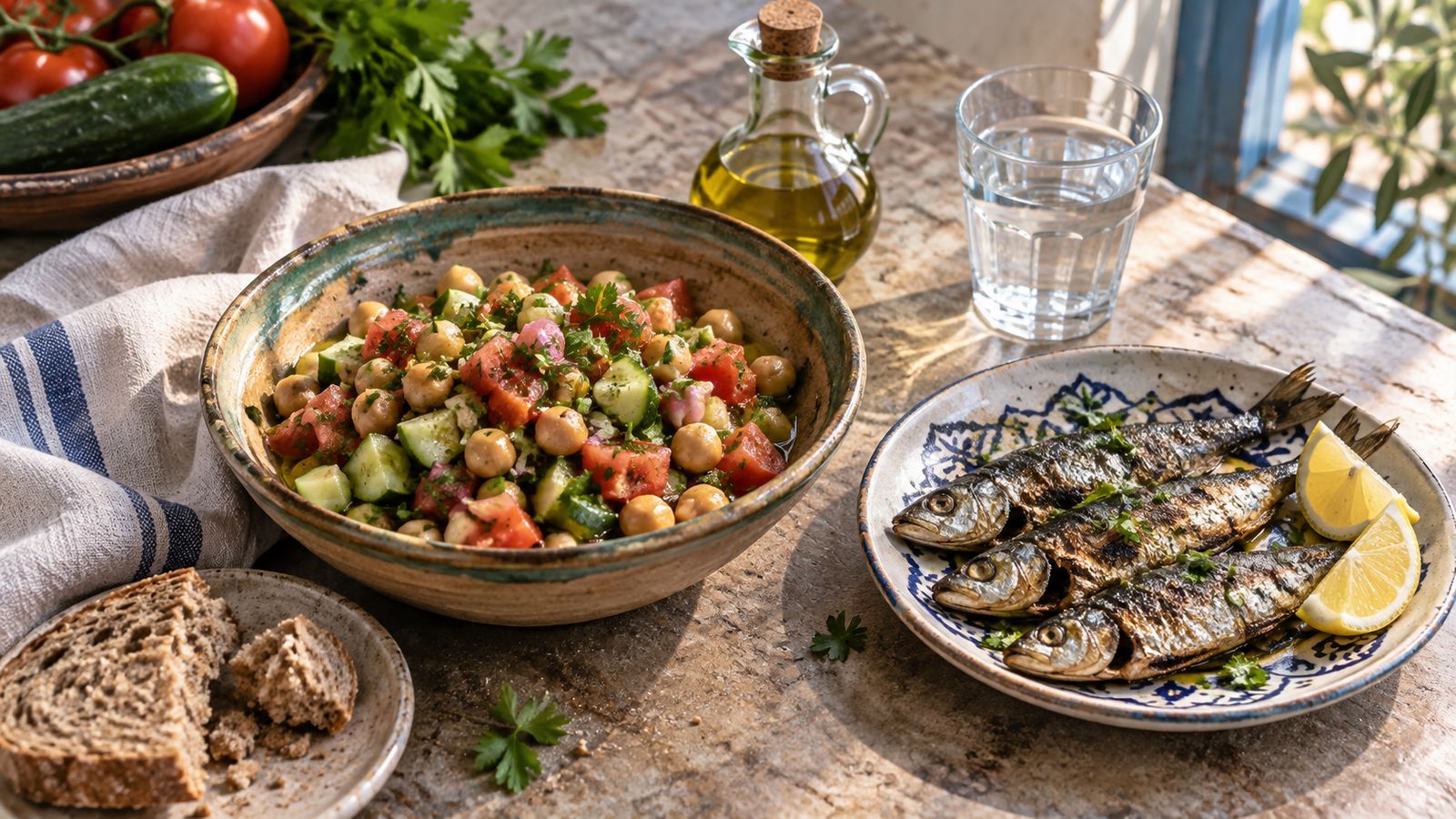
Nine risk factors that can be changed, from smoking to lack of physical activity, explain about 90% of the risk of heart attack, in men and women alike and on every continent. Cardiovascular prevention therefore depends above all on everyday habits, not on extreme diets. At Dr Tber's practice in Tangier, we support patients who want to act before problems appear, and also after a cardiac event. Here are the seven habits that really count, with the figures from current guidelines.
Key figures
- 1 in 3 deaths
- Cardiovascular diseases caused 19.8 million deaths worldwide in 2022: they are the leading cause of death. WHO, 2025
- 90 %
- About 90% of the risk of heart attack is explained by nine factors that can be changed. INTERHEART study, The Lancet, 2004
- 29,3 %
- In Morocco, nearly three adults in ten have high blood pressure. STEPS survey, Ministry of Health, 2017-2018
- 55 %
- More than half of Moroccans aged 30 to 79 who have high blood pressure have never been diagnosed. WHO, 2025
Why Cardiovascular Prevention Changes Everything
The main threats to the heart and arteries, heart attack, stroke and coronary heart disease, share the same risk factors. The INTERHEART study, carried out in 52 countries, identified nine of them, including smoking, high blood pressure, high cholesterol, diabetes, abdominal obesity, stress and lack of physical activity. Most of them can be corrected.
The American Heart Association has summed up this approach in eight levers, called Life's Essential 8 : diet, physical activity, quitting smoking, sleep, weight, blood sugar, cholesterol and blood pressure. The seven habits below cover the essentials.
In Morocco, the Ministry of Health's national STEPS survey shows the scale of the task: 10.6% of adults have diabetes, 20% are obese, 21.1% are not active enough and 23.4% of men smoke. Nearly four adults in ten had never had their blood pressure measured.
1. A diet that protects the arteries
Eating well remains one of the most powerful pillars of heart health. It is not about banning everything, but about favouring what feeds the heart:
- Lots of vegetables, fruits, legumes and whole grains.
- Sources of good fats: olive oil, fish, nuts.
- Less salt, added sugars and ultra-processed foods.
- Reduced or no alcohol consumption.
Salt deserves particular attention. The WHO recommends less than 5 g a day, about one teaspoon. In Morocco, average intake reaches 10.6 g a day, more than double. It hides mainly in bread, olives, cheese, cured meats and stock cubes: tasting before adding more salt and cooking with spices, lemon and herbs already makes a real difference.
This type of diet, close to the Mediterranean model, helps to control blood pressure, cholesterol and weight at the same time. It is a valuable asset in Tangier, where fresh products and fish are easily accessible.

2. Move every day, even a little bit
A sedentary life is one of the main enemies of the heart. Physical activity, in turn, strengthens the heart muscle, improves circulation and helps to control blood pressure and cholesterol. Current recommendations suggest:
- 150 to 300 minutes a week of moderate activity (brisk walking, cycling, swimming), or 75 to 150 minutes of more vigorous activity.
- Muscle-strengthening activity on at least two days a week.
- Ideally, exercise spread across several days rather than one big session.
- The simple fact of walking 30 minutes a day already represents a real benefit.
Worldwide, 31% of adults do not reach this level of activity, and in Morocco, 21.1% of adults remain below the recommended minimum.
If you have a cardiac history, always get medical advice before taking up sport again, so the effort can be matched to your situation.
After an operation or a heart attack, getting active again happens in stages, ideally within a cardiac rehabilitation programme. The steps are set out in our guide to recovery after coronary bypass.
3. Quitting Smoking: The Most Cost-Effective Action
Smoking directly damages the arteries and multiplies the risk of heart attack and stroke, including in young people. It is also the risk factor whose removal brings the fastest benefits: one year after the last cigarette, the risk of coronary heart disease is roughly halved, and fifteen years later, it is the same as that of a non-smoker.
Stopping is not easy, but it is never too late and no age makes the effort pointless. Help exists (nicotine replacement, medical support); do raise it at a consultation.
Smoking is also the main modifiable risk factor for abdominal aortic aneurysm, a silent disease explained in our article on aortic aneurysm.
4. Keep an eye on blood pressure and cholesterol
High blood pressure and high cholesterol are silent: you can carry them for years without a single symptom, all the while exposing your arteries to growing risk. Checking them regularly is therefore essential.
| Indicator | General benchmark | Why it's important |
|---|---|---|
| Blood pressure | Non-elevated below 120/70 mmHg, hypertension from 140/90 mmHg | High blood pressure tires the heart and weakens the arteries |
| Cholesterol (LDL / non-HDL) | To be interpreted according to your overall risk | Excess promotes plaques that close the arteries |
| Glycaemia | To be monitored, especially in cases of overweight | Diabetes accelerates vessel damage |
In between, from 120/70 to 139/89 mmHg, the European Society of Cardiology has since 2024 called blood pressure “elevated”: this is the right time to work on your habits, before treatment becomes necessary. In a person on treatment, the usual target is a systolic blood pressure between 120 and 129 mmHg, if it is well tolerated.
These numbers must always be read by a professional against your overall risk profile, never in isolation. Where the arteries are already affected, specialist treatment may be needed, such as a Coronary bypass or a management of the carotid surgery to reduce the risk of stroke.

5. Sleeping well and managing stress
Sleep was underestimated for a long time; it is in fact one of the recognised pillars of heart health. Good quality sleep, of around 7 to 9 hours helps regulate blood pressure, weight and blood glucose at night.
Chronic stress, on the other hand, is associated with a rise in blood pressure and a higher cardiac risk. Some habits help to calm it:
- Regular rest and disconnection times.
- Slow breathing, walking or relaxing activity.
- Keeping up social ties, and asking for help when you need it.
Psychosocial stress is in fact one of the nine risk factors in the INTERHEART study, in the same way as smoking or diabetes.
6. Maintaining healthy weight and blood glucose levels
Weight and blood sugar are closely tied to the other risk factors. Excess weight around the middle in particular often goes with high blood pressure, diabetes and disturbed cholesterol. The right approach is not drastic weight loss, but a lasting improvement in diet and activity, which in practice pulls on several levers at once.
In Morocco, 53% of adults are overweight or obese, 10.6% have diabetes and 10.4% have prediabetes, a stage where lifestyle can still change everything. A fasting blood sugar test, from a simple blood sample, is enough to take stock.
7. Do not neglect screening
Because blood pressure, cholesterol and diabetes progress silently, screening is a key element of prevention. Regular check-ups allow early detection of a risk factor and action before complication. This follow-up is even more important if you have a family history of heart disease, diabetes, overweight or smoking.
Some signs call for more targeted tests. An irregular pulse or frequent palpitations deserve an electrocardiogram. A murmur heard over the neck prompts a search for narrowing of the carotid arteries, and a man over 65 who has smoked would do well to have his aorta checked with an ultrasound scan.
Cardiology consultation in Tangier: heart check-up, review of your tests and a second opinion
Read also: normal or irregular heart rhythm, when to see a doctor
Read also: preventing stroke and screening for carotid stenosis
When to consult without delay
Prevention never replaces reacting in an emergency. With chest pain that will not go away, sudden difficulty breathing, feeling faint, sudden weakness on one side of the body or trouble speaking, you must call immediately for help These signs can translate a heart attack or stroke, where every minute counts.
In Morocco, dial 141 (SAMU) or 15 (Civil Protection).
Read also: the signs of a cardiac emergency
For the rest, protecting your heart is patient work, made of small daily decisions. Would you like a check-up, an opinion on your risk factors, or follow-up suited to your situation? Dr Tber's practice in Tangier is with you step by step, and you can right now make an appointment.
Frequently asked questions
What are the main cardiovascular risk factors?
What blood pressure should you aim for?
How much salt can you have per day?
Is stopping smoking after 50 still worthwhile?
Sources and references
External resources, opened in a new tab.
- Cardiovascular diseases: key facts WHO
- National survey on risk factors for non-communicable diseases, STEPS 2017-2018 Moroccan Ministry of Health
- Hypertension country profiles 2025 WHO
- INTERHEART study: risk factors for heart attack in 52 countries The Lancet
- Reducing salt intake WHO
- Physical activity WHO
- Benefits of quitting smoking WHO
- 2024 guidelines on high blood pressure European Society of Cardiology
Readable also
On the blog
Having heart surgery in Morocco when you come from elsewhere in Africa: how much to budget for the operation, the stay and the journey
A heart operation in Tangier costs between 70,000 and 150,000 DH depending on the procedure, or about 6,400 to 13,600 euros. For a patient coming from Senegal, Côte d'Ivoire, Cameroon or elsewhere, you also need to add the journey, the stay and the person accompanying you. Here is the full budget, item by item.
Read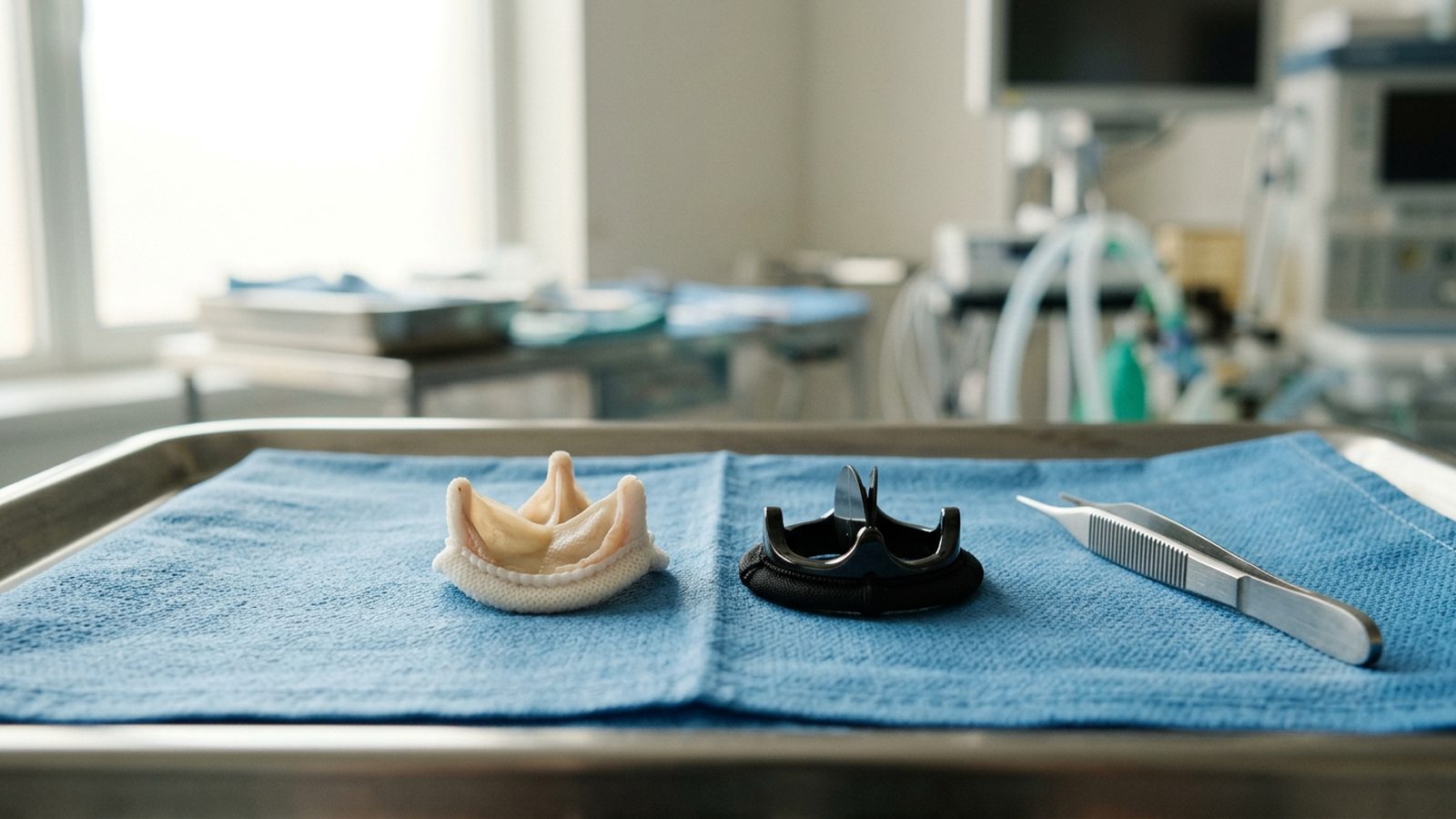
Heart valve replacement: how long the operation takes, biological or mechanical valve, success rate and cost in Morocco
A heart valve that no longer opens enough, or that leaks, ends up wearing the heart out. When medicines are no longer enough, it is replaced. What happens in the operating room, the choice between a biological and a mechanical valve, the real risks, recovery and the cost in Morocco.
Read