

Prevention of stroke and carotid stenosis: testing and treatment in Tangier
Carotid stenosis is a major cause of stroke, and often a silent one. Understanding the risk factors, Doppler ultrasound screening and the FAST warning signs is what lets you act in time.
Written by Dr Mohamed el Amine Tber, cardiovascular surgeon in Tangier
Stroke remains one of the leading causes of disability in adults. Yet a large share of these could be prevented. prevention of stroke and carotid stenosis are closely linked: the gradual narrowing of the carotid arteries, which supply the brain, is a common and often silent cause of stroke. The good news is that with early detection and the right care, that risk can be cut considerably. This article, written for the patients of Dr Tber's practice in Tangier, explains in plain terms what carotid stenosis is, how it is picked up and how it is treated.
Key figures
- 1 in 4
- One in four adults over 25 will have a stroke in their lifetime. World Stroke Organization
- 1.9 million
- This is the estimated number of neurons lost every minute during a major untreated stroke. Stroke, 2006
- 10 to 15%
- This is the share of ischaemic strokes attributed to narrowing of the carotid arteries. European Heart Journal Supplements, 2021
- 26 % → 9 %
- For a severe narrowing that had caused symptoms, surgery lowered the two-year risk of stroke from 26% to 9%. NASCET trial, New England Journal of Medicine, 1991
What is carotid stenosis?
The two carotid arteries, one on each side of the neck, carry blood to the brain. Over time, deposits of cholesterol and calcium (atherosclerotic plaque) can build up on their walls and narrow them: this is carotid stenosis. That narrowing poses two problems: it can reduce blood flow to the brain, and above all small fragments of plaque or clot can break off, travel up to the brain and block an artery, causing an ischaemic stroke or a transient ischaemic attack (TIA).
Stenosis is often described as a percentage of narrowing. Moderate (50-69%) or tight (70-99%) stenosis is referred to as moderate (70-99%) stenosis. The tighter it is and the more symptoms it is accompanied by, the higher the risk of stroke. This disease is one of the vascular conditions we take care of at the practice; you can consult our page dedicated to the carotid surgery to learn more.

Risk factors to be known
Carotid stenosis shares the same risk factors as other cardiovascular disease. Some cannot be changed (age, family history), but many can be brought under control:
- High blood pressure, which weakens and damages the wall of the arteries.
- Smoking, which greatly accelerates plate formation.
- Excess cholesterol (high LDL), which is responsible for the fatty deposits.
- Diabetes, which promotes atherosclerosis.
- Overweight, sedentaryness and unbalanced diet.
- The existence of other vascular diseases (coronary, leg arteries).
Acting on these factors is the basis of prevention: stopping tobacco, bringing blood pressure, cholesterol and diabetes under control, moving regularly and adopting a diet low in saturated fat. This background work not only protects carotids, but the entire cardiovascular system.
Another factor is often forgotten: atrial fibrillation, a heart rhythm disorder that makes a stroke about five times more likely, with no link at all to the carotid arteries.
Read also: normal or irregular heart rhythm, when to see a doctor
Choosing carotid echo-dopplers
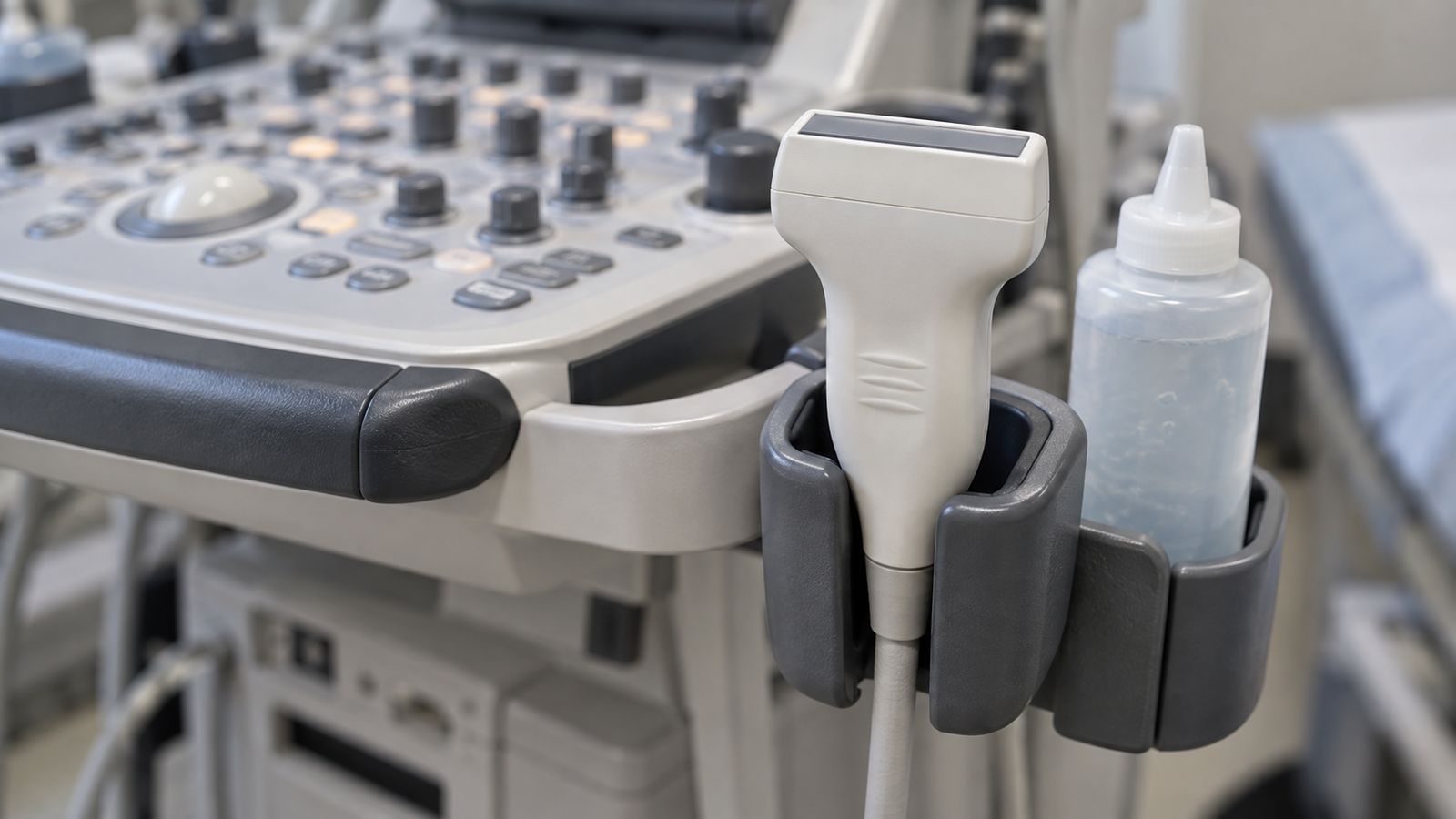
The reference test for examining the carotid arteries is the echo-Doppler (Doppler ultrasound of the neck vessels). Painless, with no radiation and no injection, it uses ultrasound to see the artery wall, spot the plaque and measure blood velocity in order to assess the degree of narrowing.
Screening the whole population, with no symptoms and no risk factors, is not recommended. A Doppler ultrasound may however be offered to people at raised risk, for instance where coronary or arterial disease is already known, or where several risk factors come together. Your doctor may also request one on hearing a murmur over the neck through the stethoscope. It is a simple tool for deciding, case by case, on the best strategy for monitoring or treatment.
Recognizing alert signs: the FAST message
A stroke is an absolute emergency: every minute counts to save brain cells. A TIA, sometimes called a mini-stroke, gives the same signs but they fade within minutes or hours. It must never be shrugged off, because it often heralds a more serious stroke. The easiest way to remember the signs is the acronym FAST, adopted by the learned societies for the general public:
| Letter | Sign to watch |
|---|---|
| F : Face (Visage) | One side of the face falls or numbs; the smile is asymmetric. |
| A : Arm (Bras) | Weakness or numbness in one arm (or leg), usually on one side only. |
| S : Speech (Speaker) | Difficulty speaking, confused or incomprehensible words. |
| T : Time (Time) | Call the emergency services immediately. Note the time when the symptoms began. |
Other signs can come with it: sudden trouble with vision, dizziness, loss of balance, or an intense, unusual headache. If you see any one of these signs, do not wait: call the emergency services without delayEven if the symptoms seem to disappear.
In Morocco, dial 141 (SAMU) or 15 (Civil Protection).
After a TIA, every day counts
A TIA is a serious warning. In a large analysis published in 2007, the risk of stroke reached 5.2% in the week following a TIA. It fell to 0.9% in patients seen urgently by a specialist service, versus 11% in those who were not.
When the TIA is caused by a severe narrowing of the carotid artery, the European guidelines advise operating ideally within two weeks of the symptoms, the period when the risk of recurrence is highest. A Doppler ultrasound of the carotid arteries is therefore one of the tests to have quickly.
Read also: the signs of a cardiac emergency
Treatment: from medication to endarteriectomy
Treatment depends on how narrowed the artery is, on whether there are symptoms, and on the patient's general health. It rests on two complementary pillars.
Optimal medical treatment
For any narrowing, controlling the risk factors is essential: blood pressure medication, cholesterol treatment (statins), keeping diabetes in check, an antiplatelet drug where appropriate, and of course stopping smoking. For mild narrowing, this medical treatment is often enough and forms the basis of prevention.
Carotid endarteriectomy
Where the narrowing is severe and/or causing symptoms, an operation may be offered to remove the plaque and restore good blood flow.carotid endarterectomy is the standard operation: the surgeon opens the artery, removes the fatty plaque causing the narrowing, then closes the artery again. It has proved its worth in reducing the risk of stroke in patients with severe narrowing, particularly when done soon after symptoms appear. In some situations an endovascular alternative (placing a stent) can be discussed. The choice always follows an individual assessment.
The landmark trial, NASCET, showed that in patients with a 70 to 99% narrowing and recent symptoms, surgery lowered the two-year risk of stroke on the same side from 26% to 9%. Medical treatment has improved a great deal since then, but the benefit of the operation remains clear in this situation.

Living well after care
Whether it is medical follow-up or an operation, prevention never stops. Keeping to a healthy way of life, taking your medication regularly and having the recommended Doppler check-ups is what tracks how things evolve and protects the brain for the long term. Regular follow-up remains the best insurance against it happening again.
Read also: 7 habits to protect your heart
Do you have risk factors, a murmur heard over the neck, or symptoms suggesting a TIA? A specialist assessment lets you take stock calmly. Dr Tber's practice in Tangier is with you for the screening and the treatment of carotid stenosis: make an appointment.
Frequently asked questions
What are the signs of a TIA?
How soon should surgery take place after a TIA?
Should a carotid narrowing without symptoms be operated on?
Should everyone have a Doppler ultrasound of the carotid arteries?
Sources and references
External resources, opened in a new tab.
- The impact of stroke worldwide World Stroke Organization
- Time is brain: neurons lost per minute Stroke
- NASCET trial: endarterectomy for severe symptomatic narrowing New England Journal of Medicine
- Risk of stroke in the days following a TIA The Lancet Neurology
- 2021 guidelines on carotid stenosis European Stroke Organisation
- Screening for carotid stenosis in people without symptoms USPSTF
- Carotid endarterectomy NHS
- Transient ischaemic attack (TIA) NHS
Readable also
On the blog
Having heart surgery in Morocco when you come from elsewhere in Africa: how much to budget for the operation, the stay and the journey
A heart operation in Tangier costs between 70,000 and 150,000 DH depending on the procedure, or about 6,400 to 13,600 euros. For a patient coming from Senegal, Côte d'Ivoire, Cameroon or elsewhere, you also need to add the journey, the stay and the person accompanying you. Here is the full budget, item by item.
Read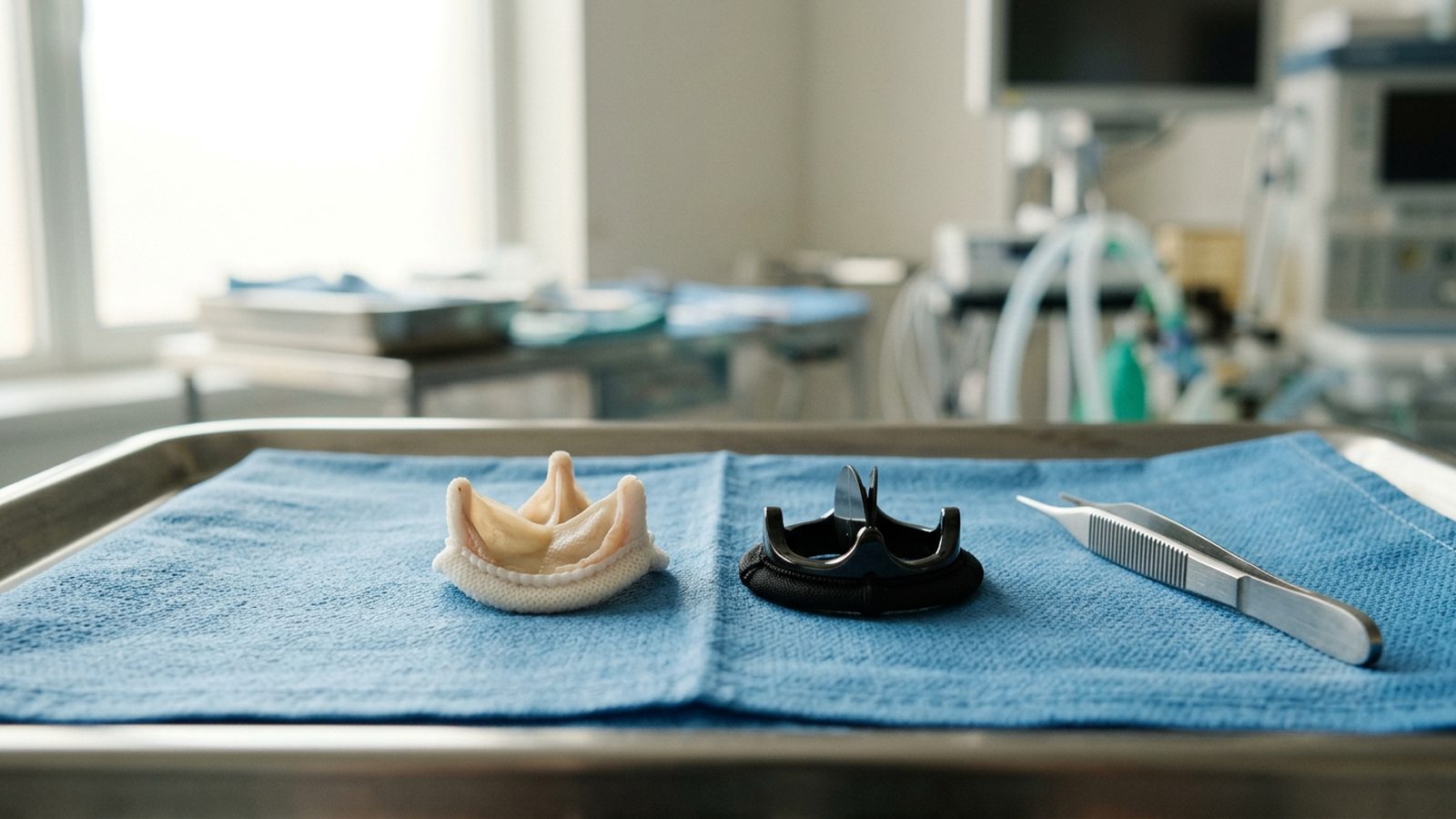
Heart valve replacement: how long the operation takes, biological or mechanical valve, success rate and cost in Morocco
A heart valve that no longer opens enough, or that leaks, ends up wearing the heart out. When medicines are no longer enough, it is replaced. What happens in the operating room, the choice between a biological and a mechanical valve, the real risks, recovery and the cost in Morocco.
Read